Sunday, February 20, 2011
The 11th Ga and Gettysburg..150 Years later......
The soil of Pennsylvania at Gettysburg contains the blood of America's finest. Young men poured out their lifeblood, forever making it sacred ground. Six months before he died at Gettysburg Lieutenant Matthew Talbot Nunnally wrote his family in and recounted the movements of the sons of Walton County.
After sickness and recovery and a short trip home, he returned to duty and died at Gettysburg with thousands of others. He was 25 years old. Henry McDaniel recounted how Matts bravery and attention to duty was reflected in everything he did. His life was cut short by the "conflict to end all conflicts". A marble statue in the Monroe Cemetery, was commissioned by his sister in his memory. It stands high above the others, his young handsome face staring forward with his sword at his side and in full uniform.
Many others died that day and were wounded from the 11th. Their lives were cut short, dreams were unfulfilled, and to the families of the fallen their memory kept forever young. As wives and parents grew old, the faces of the fallen were frozen at the moment of death.
This year marks an anniversary. Remember all those who sacrificed. Take some time to reflect, and pray that we learned something.
Sunday, February 6, 2011
Directions to Zachariah Butler and Patrick Butler's Graves.....
Making the trip to visit the final resting place of an ancestor can be frustrating and even disappointing. I have below some details of the directions to the graves of our Colonial Grandfathers Zachariah and Patrick Butler.
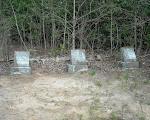
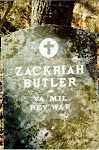
The pictures of their markers on this site are several years old and I have been told that the markers may be now laying flat on the ground and not easily seen.
The graves are located in Fortsonia Ga. below Elberton. From Hwy 17, get on George Ward Road. Located on the Dye homeplace off the road behind a house about 80 yards in a field.
I hope this helps any of you who want to make the journey to Elbert Co Ga. When you get there say a prayer of thanks for these two brave souls whose blood runs through thousands of us today.
If anyone has better directions please leave a comment for others who may want to try and find the location of these graves.
If you go out to the site and find them please let me know also.
The pictures of their markers on this site are several years old and I have been told that the markers may be now laying flat on the ground and not easily seen.
The graves are located in Fortsonia Ga. below Elberton. From Hwy 17, get on George Ward Road. Located on the Dye homeplace off the road behind a house about 80 yards in a field.
I hope this helps any of you who want to make the journey to Elbert Co Ga. When you get there say a prayer of thanks for these two brave souls whose blood runs through thousands of us today.
If anyone has better directions please leave a comment for others who may want to try and find the location of these graves.
If you go out to the site and find them please let me know also.
Thursday, January 27, 2011
150 Years......
One hundred fifty years ago this year the tearing apart started. Before it ended in 1865, over 600,000 would fall. This is more than any other conflict in United States history. What makes us think that war is glorious? There's nothing glorious in it or about it. " Those who live by the sword, will die by the sword" Jesus ChristIn researching our family history, I found that the generation that was born and came of age in the second half of the 1800's paid a terrible price for living by the sword. That sword cut a gaping hole in almost every family including ours. Brothers fought against brothers, children became orphans, and mothers wept.
What did we learn? Was it worth it all? People were freed, the union was preserved, the living rebuilt their lives.
Now we remember the fallen and contemplate the consequences of war. We can look back and learn. There must be a little glory in that.
Friday, January 14, 2011
The Alabama Yankees.....1862
Nathan Butler b 1769 and his wife Mary Ann left Elbert Co Ga and settled in Walton Co. sometime after 1820. Patrick Butler b 1799 and Jane Hansard Butler are there also and I believe from my evidence so far that Patrick was Nathans son. Continually moving west in 1850 we find Nathan and Mary Ann in Paulding Co with son Daniel Butler b 1794. From records of the history of Ark. Daniel is described as a wagon maker, a worker in wood, born in SC and dying in Ga. Patrick is a carpenter according to the 1850 census, adding to my list of circumstantial facts that lead me to conclude that they were brothers.
Nathan H. Butler b 1818 m Francis R. Hogue son of Daniel along with his sons Napoleon B Butler and James Marion Butler b 1838 are found in Alabama at the time of the Civil War.
As the Southern States voted to leave the union, many upland citizens of Tenn, Ga and Al did not agree. They were not plantation owners with slaves. Farming in the hills of Alabama they were independent unionists who remembered the loyalty of their fathers and grandfathers for the Stars & Stripes.
"We agree with President Jackson that no state can legally get out of the Union"
Some members of 1st Alabama USA
As conscription of troops took hold, the Hill farmers of Alabama hid, avoided, and refused to be forced to fight against the United States. Finally in 1862 they formed their own regiment and joined the Union Army. In the ranks of the 1st Alabama USA, Nathan H Butler and son Napoleon enlisted as privates and joined the cavalry regiment. They enlisted June 24, 1863 and then went home to get their families in order and returned Jan 23,1864. Constantly harassed and sometimes violently mistreated by their Confederate kin and neighbors the Alabama Yankees kept their convictions and assisted Sherman at the end of the conflict.
James Marion Butler b 1838 served in the Confederate Army, thus confirming the "Brother against Brother" description of the war.
Southerners if anything are a people with deep and loyal values. No matter which side of any issue, the love of country is a part of every Southern born American. Lets not forget these brave ones in this 150th Anniversary Year, lets remember and be proud.
Nathan H. Butler b 1818 m Francis R. Hogue son of Daniel along with his sons Napoleon B Butler and James Marion Butler b 1838 are found in Alabama at the time of the Civil War.
As the Southern States voted to leave the union, many upland citizens of Tenn, Ga and Al did not agree. They were not plantation owners with slaves. Farming in the hills of Alabama they were independent unionists who remembered the loyalty of their fathers and grandfathers for the Stars & Stripes.
"We agree with President Jackson that no state can legally get out of the Union"
Some members of 1st Alabama USA
James Marion Butler b 1838 served in the Confederate Army, thus confirming the "Brother against Brother" description of the war.
Southerners if anything are a people with deep and loyal values. No matter which side of any issue, the love of country is a part of every Southern born American. Lets not forget these brave ones in this 150th Anniversary Year, lets remember and be proud.
Wednesday, January 12, 2011
Civil war veteran soldier footage, captured between 1913 and 1938
The 150th Anniversary of the Civil War, 2011 A war that changed the Butler family forever.
James Patrick Butler..A brother that survived
Ealer Butler Crawley,Nancy Elizabeth Butler Ogletree,Wilma & Wilda Butler, Ma Betty, John Patrick & daughtersThey are all in Walton Co in the 1880 census. Later the family would be found in Oconee Co Ga. After coming home from the war, James drowned while trying to cross the river near his home. Almost a year later he was recovered and buried in the cemetery at Rays Methodist Church.
Wednesday, December 22, 2010
Brothers in arms...Some Butlers in the Civil War
My gggrand father William H. Butler left Georgia and headed for the first conflicts of the Civil War, but was home again with a fatal case of Typhoid Fever. His younger brothers would soon follow.
In 1860 Nathan D. Butler b 1834, lived a few doors down from his brother-in-law William Fergurson. Both listed their occupation as Potter. Married to Sarah Fergurson, November 16, 1854 and living in Jackson County, Nathan would leave his new family and join thousands of other men in the great conflict.
July 1, 1861 The Georgia 16th Company B was formed. Nathan joined July 17th and was in Richmond in September.
By April 16, 1862 he was in a Hospital in Greenboro N.C. with pneumonia. He died there and was buried along with many others who sucummed to disease and wounds.
He left one daughter Celia Josephine Butler b 1860. In 1891 Sarah Elizabeth Butler applied and received a widows pension of $100.00 per/year.
In 1860 Nathan D. Butler b 1834, lived a few doors down from his brother-in-law William Fergurson. Both listed their occupation as Potter. Married to Sarah Fergurson, November 16, 1854 and living in Jackson County, Nathan would leave his new family and join thousands of other men in the great conflict.
July 1, 1861 The Georgia 16th Company B was formed. Nathan joined July 17th and was in Richmond in September.
By April 16, 1862 he was in a Hospital in Greenboro N.C. with pneumonia. He died there and was buried along with many others who sucummed to disease and wounds.
He left one daughter Celia Josephine Butler b 1860. In 1891 Sarah Elizabeth Butler applied and received a widows pension of $100.00 per/year.
Wednesday, December 8, 2010
Captain Matthew Talbot Nunnally..Company H, Walton Co. Volunteers
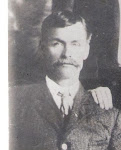
Captain Matthew T. Nunally was the Commanding Officer of the Walton Co Volunteers. He entered the U. S. Military Academy in 1859 and resigned effective 2/2/1861. At the age of 24 he was 10 years younger than William Butler. He took a commission in the Confederate Army on 7/3/1861. He was killed at Gettysburg, Pa. 7/2/1863. Here is a picture of Matthew and his brother, Josiah who was 1st Sergeant, along with Lt. Henry McDaniel, led the Walton Co Volunteers and my gggrandfather William H. Butler to war.
After reaching Va., the company waited at Manassas Junction for orders.
July 18,1861 " I think I have heard 9/10 of our Company coughing violently in a single night. This morning at reveille , I saw scarcely a man who was not more or less sick. Several have gone to the hospital. Many more will be sent tomorrow unless they get better." Lt Henry McDaniel
August 10th, William received his discharge papers. Here is a copy. The original is treasured by one of his ggranddaughters, Mrs. Edith Moon. Across the document it says "Transportation Furnished".
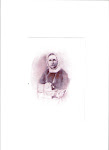
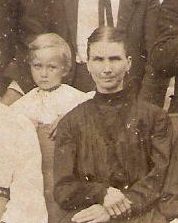
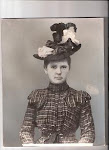
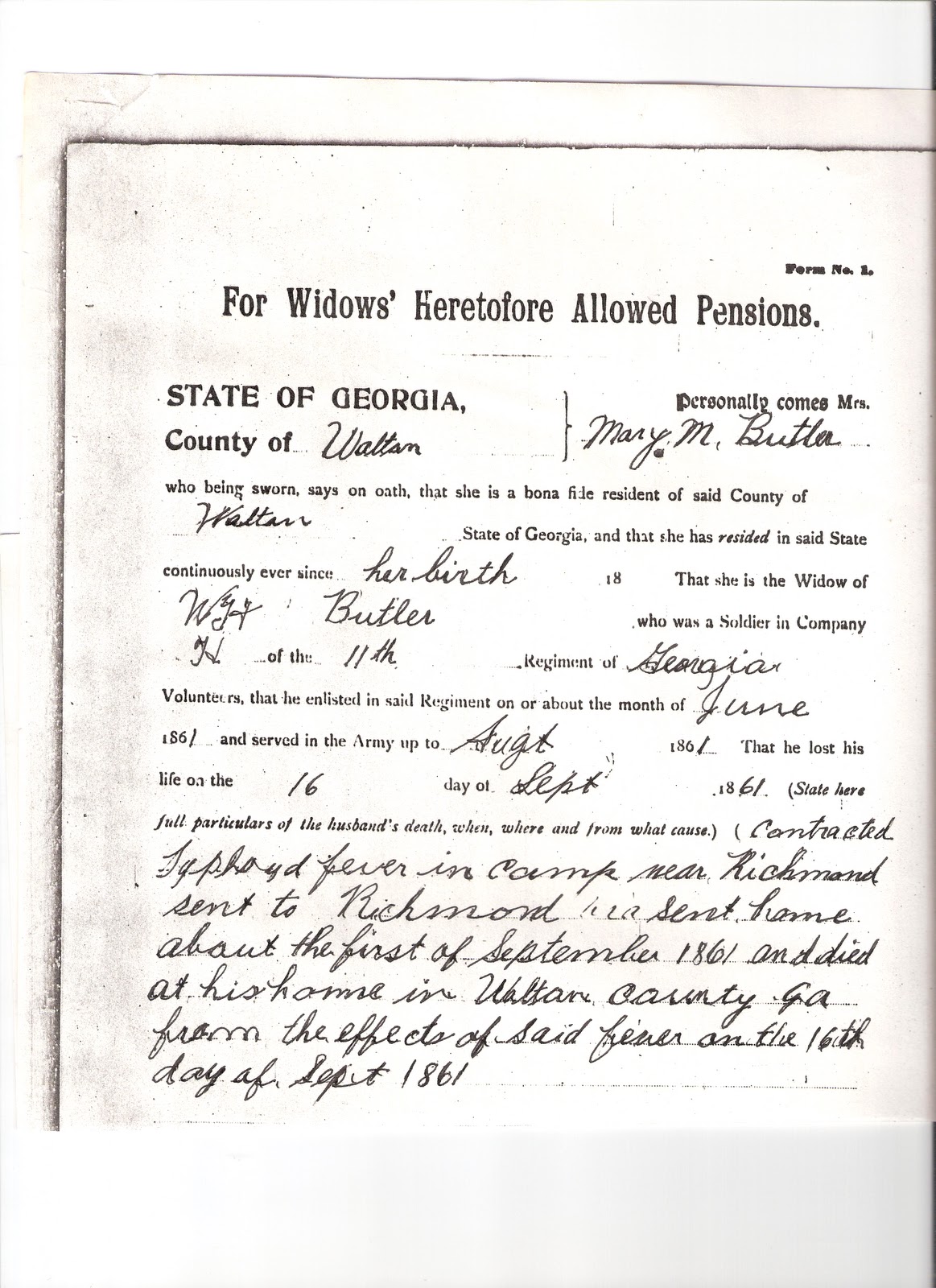
After his death at home, Mary received a widows pension. She was pregnant with their 4th child. Here she is at a family reunion in 1915. She lived to be 92 years old.
After reaching Va., the company waited at Manassas Junction for orders.
July 18,1861 " I think I have heard 9/10 of our Company coughing violently in a single night. This morning at reveille , I saw scarcely a man who was not more or less sick. Several have gone to the hospital. Many more will be sent tomorrow unless they get better." Lt Henry McDaniel
August 10th, William received his discharge papers. Here is a copy. The original is treasured by one of his ggranddaughters, Mrs. Edith Moon. Across the document it says "Transportation Furnished".
After his death at home, Mary received a widows pension. She was pregnant with their 4th child. Here she is at a family reunion in 1915. She lived to be 92 years old.
Friday, December 3, 2010
My Civil War Grandparents..William(Will) H. & Mary(Polly) M. Whitley Butler
Riding the train to Virginia, the Walton Home Guard arrived at the battlefield too late. Their train had been delayed and the First Battle of Bull Run was already over as they stepped of the train and stood in the rain without tents or blankets. They had eaten all the food packed by their wives and sweethearts on the trip and found the Fair Grounds in Richmond to be crowded with thousands of men that made up the Confederate army.
![]() |
| Bull Run |
![]() |
| Barracks at Manassas Va. |
![]() |
| House at Bull Run |
William H. Butler was sent to Richmond to one of the "hospitals" and was soon found to be disabled with the dreaded Typhoid fever. Caused by the Salmonella germ Typhoid can lay dormant and after feeling a little better for awhile come back with a vengeance. Having a fever and dysentery with weakness and unable to eat, 20% of those who contracted this disease died eventually from complications. On August 10th, Will was discharged disabled. His discharge papers were signed by Brig. General J.H.Winder. Winder would later be put in charge of prisons and would have been tried for the conditions at Andersonville Ga., if he had not died from a heart attack before the war was over.
William died at home a few weeks after he made it back from Virginia. He would be one of many of Zachariah Butler's grandsons who would die in the Civil War.
Wednesday, November 24, 2010
Monday, November 22, 2010
Another Son Of Zachariah Butler...
Joel Butler was born in 1764 in Hanover Co Va. He like James, Patrick and Nathan joined Zachariah and Mary Butler in settling in Wilkes then Elbert Co Ga.
There may be other sons that either stayed in Va. or did not travel all the way to Ga., but stopped along the way to live in states along the route.
Joel Butler married Leticia Haley b1765 and in 1830 and 1840 they are living in Madison Co. Ga.Some of their children are Clemontyne b 1792 mWilliam Dudley, Haley b1793 mNancy Ward, Frederick b1800, Nancy b1804, Lucinda b1808, Patrick R. b1813, Piety b1814.
The Dudleys made it all the way to Texas.
I have found that many of the families who came from Va. are related by marriage. Many married second cousins and 2 brothers would marry 2 sisters making their children double first cousins. William Hansford married Sarah Fannin and Patrick Butler married her sister Elizabeth..then later Jane and Elizabeth Hansard daughters of William and Sarah married cousins Patrick Butler b1799 and James B. Butler b1799. Two Snellings siblings married 2 Butler siblings. As I researched , this happened over and over. Many belonged to the same churches and lived close to each other. Later the men folk would serve together in the Civil War and die on the battlefields or in the hospitals together.
There may be other sons that either stayed in Va. or did not travel all the way to Ga., but stopped along the way to live in states along the route.
Joel Butler married Leticia Haley b1765 and in 1830 and 1840 they are living in Madison Co. Ga.Some of their children are Clemontyne b 1792 mWilliam Dudley, Haley b1793 mNancy Ward, Frederick b1800, Nancy b1804, Lucinda b1808, Patrick R. b1813, Piety b1814.
The Dudleys made it all the way to Texas.
I have found that many of the families who came from Va. are related by marriage. Many married second cousins and 2 brothers would marry 2 sisters making their children double first cousins. William Hansford married Sarah Fannin and Patrick Butler married her sister Elizabeth..then later Jane and Elizabeth Hansard daughters of William and Sarah married cousins Patrick Butler b1799 and James B. Butler b1799. Two Snellings siblings married 2 Butler siblings. As I researched , this happened over and over. Many belonged to the same churches and lived close to each other. Later the men folk would serve together in the Civil War and die on the battlefields or in the hospitals together.
Monday, November 8, 2010
Final Resting Place.......
Nestled in a group of trees a few miles below Elberton Ga is the location of what is believed to be the final resting place of our colonial grandfather Zachariah Butler. Located on what was the Dye family homeplace in Fortsonia Ga a small marker bears his name. If you get on Dr. George Ward Road the small cemetery is off the road a ways in a clearing. Patrick Butler b1760 is there also.
Monday, November 1, 2010
Nathan(iel) Butler B 1769
Nathan Butler b1769 was a veteran of the Indian Wars. He came to Elbert Co Ga with Zachariah and the rest of the family. Nathan and his wife Mary Ann sold some land in Elbert Co in 1805. They are in Elbert Co in the 1820 Census. In 1830 they are in Walton Co Ga. With the Land Lottery they moved to Paulding Co Ga along with son Daniel Butler b 1794 and his wife Martha Naish Butler. After all my research I have some circumstantial evidence that my gggrand father Patrick Butler b 1799 is also a son of Nathan and Mary Ann.
Patrick and Jane Butler Named their 2nd son Nathan. Since their first son was William ( Jane's father's name) its possible that Nathan was named after Patrick's father.
Also in the 1820 census their is a son listed in Nathan's household that is in the right age range for Patrick.
Patrick married Jane Hansard sister of Elizabeth Hansard who married James B. Butler , son of James M. Butler.
The Creek Indians and our colonial grandfathers were in conflict. What had started as a peaceful but shaky coexistence erupted into war. What disease and deceptive treaties did not finish, the fighting did. Land was divided and the Lotteries held with veterans, widows and orphans of veterans receiving tracts that they settled on or sold. The land in Elbert Co Ga was just the beginning of the great migration of colonists after the Revolution. The Butler's and many others continued on their journey West from Georgia and Alabama, all the way to Texas and eventually to California and the Pacific.
Patrick and Jane Butler Named their 2nd son Nathan. Since their first son was William ( Jane's father's name) its possible that Nathan was named after Patrick's father.
Also in the 1820 census their is a son listed in Nathan's household that is in the right age range for Patrick.
Patrick married Jane Hansard sister of Elizabeth Hansard who married James B. Butler , son of James M. Butler.
The Creek Indians and our colonial grandfathers were in conflict. What had started as a peaceful but shaky coexistence erupted into war. What disease and deceptive treaties did not finish, the fighting did. Land was divided and the Lotteries held with veterans, widows and orphans of veterans receiving tracts that they settled on or sold. The land in Elbert Co Ga was just the beginning of the great migration of colonists after the Revolution. The Butler's and many others continued on their journey West from Georgia and Alabama, all the way to Texas and eventually to California and the Pacific.
Tuesday, October 19, 2010
Rev. Peter Patrick Butler 1807-1870

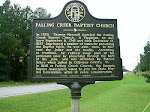
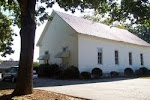
After Thomas Maxwell was imprisoned, Patrick Henry came to his defense. Tradition says that he converted a jailer and his whole family. His prominent nose was partially scared from pressing against the bars as he preached. Rev. Maxwell founded Falling Creek Baptist Church in 1788.
Located three miles South of Elberton Ga. It was the spiritual home of many Virginia settlers including members of the Butler family. Other members there were the Dye, Fannin, and Bell families.
All were related by blood or marriage to Butlers in Elbert Co. James Butler, Zachs oldest son was a member and in 1829 Peter Patrick Butler grandson of Patrick Butler, joined the fellowship. He later became a deacon and in 1832 he was licensed to preach. Falling Creek authorized his ordination March 6,1833. While leading churches in Oglethorpe Co. Ga. , he baptised 345 people.
Farming to provide for his family, he did not take full payment for his preaching. He was married twice. Millie Bell was his first wife. They had several children including Joseph B. Butler a minister who lived in Tennessee, Harriet, Louisa Martha, Sylareus, Sally, Elizabeth, and Letichia. Later he married Rebecca Glenn. In Jackson Co. where some of his Butler cousins lived he married Nathan Butler and Nancy Adams Oct 7, 1835.
After serving for over 39 years he died at his home in Oglethorpe Co. Ga. April 30, 1870 at 63.
Sunday, October 10, 2010
Patrick Butler..Perhaps you are one of his.


There are many Patricks in the Butler lineage. Zachariah named one of his older sons this name. Patrick Butler was born March 1,1760 in Hanover Co Va. Perhaps he was named for the lawyer Patrick Henry. Henry was an avid hunter and in his youth spent much of his time in the woods. His father set him up as the bartender in the local tavern and many men in Hanover Co met there to discuss politics and business. After finding his calling in the law and defending cases such as the Parsons Cause, his oratory inspired many against English rule. You will probably will find a Patrick or two in your line if you are descended from Zachariah. Patrick Butler served more than one enlistment in the Revolution. The first was referred to in the pension application of Edward Clark from Elbert Co Ga. Patrick and his brother James declared that they were acquainted with Edward Clark while in the company of Captain Robert Ballard and the regiment of Col. Stephens. Edwards said he served beginning Nov. 12, 1777-1778. In the History of Elbert Co it states that Patrick resided in Mecklenburg Co Va and enlisted in service as a substitute for William Allgood, in Capt. James Anderson's Co. Col. Nelson's regiment, stationed at Portsmouth 3 months.
He served 15 months under Captain Brown in 1781. He then served under General Gates at the Battle of Camden. After fighting with General Nathaniel Greene in the Battle of Guilford Court House, he was captured twice by Tories as he made his way back home. After the war he remained in Va two years and then moved to Wilkes Co Ga to settle on land he received for his service. He married Elizabeth Rebecca Fannin in 1780. Zachariah and most of his sons and family all moved to land in Georgia and their gggrandchildren are spread all over the Southern States and beyond. Perhaps you are one of them......
Monday, September 27, 2010
Zachariah Butler & Sons..


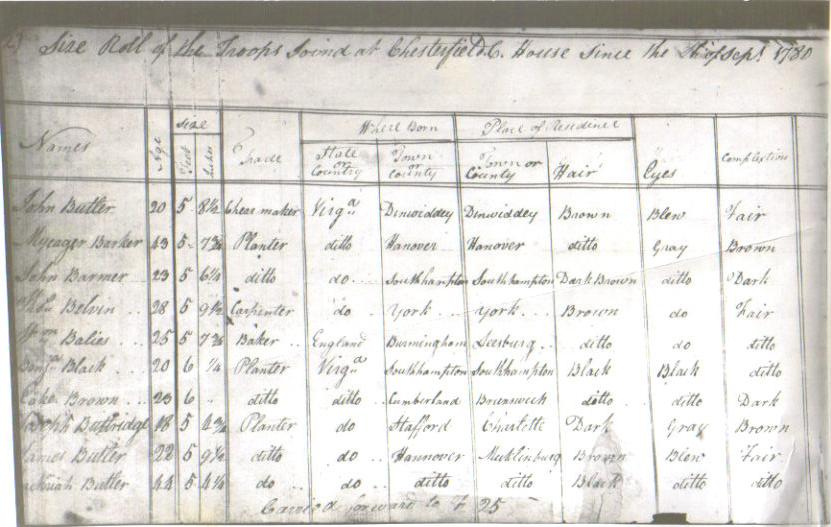
In Sept 1780, at the age of 44, Zachariah Butler and his son James ,age 22, are listed on the "size roll" of the VA Continental Line. Drafted together, they both gave their occupation as "Planter"
With dark hair and blue eyes and 5'4" and 5'7" , we have a physical description of our colonial grandfathers. James Butler was born in St Pauls Parish,Hanover Co Va June 5, 1758. According to records he had been drafted in 1778 for two months, serving in Capt James Anderson's Co., Col. John Burton's Regiment. Then drafted with his father in 1780 for 18 months in Capt Richard Swepson's Co, and Capt Scott of Col Daris's Reg. He was reported to be in the engagement at Wood's Point on the James River. Before 1782 he married Sarah "Sally" Christopher. They had several children.Some lists include: Zachariah b1782,Christopher b1786,Sarah b1787, Martha b1791, Nancy b 1796, James b1800. Most were born in Elbert Co Ga where James moved after the war on land he received for his military service. Later he married Candice Dicey and they had several children also. Some sources say he was the father of at least 21 children. James lived in Elbert Co Ga for 46 years. By an Act of Congress, Revolutionary War Veterans were awarded a pension. In Feb. 1833 he applied for this pension and got an allowance of $73.33. James was a member of Bethel E Baptist Church and later Falling Creek Baptist Church on Old Post Road in Elberton Ga.
In 1836 along with neighbors and relatives James moved to Shelby Co Al. They went by wagon train led by Jordan Jones, a long time friend and neighbor. When changing the address for his pension James stated that since he had 10 children living in Al , he was moving there to spend what time he had left with them. He died Sept 11,1841 and was buried in the Jones-Bailey Cemetery on land that belonged to his friend Jordan Jones. A collection of stones in a built up rectangle with sloping sides and flattened top was placed over his grave site. Such mounds of stone were also used back in Ga. to mark other Butler graves. On Oct 16,1983 a new marker was dedicated by the DAR. Descendants of James were there, including Gary and Brandon Butler of Tenn. James Butler, son of an American patriot and a patriot himself was honored that day.
Monday, September 20, 2010
Saturday, September 18, 2010
Our Story Is The Story Of America....
Our story is one of the many family stories of America. Aren't we still adventurers and explorers, risk takers and seekers? As our lives and individual stories continue to unfold, we play a small part in the history of this nation and the world just as our forefathers did. This story, our story is written every day by each of us as we live our lives, raise our children, solve our difficulties and pursue our version of the American Dream.
A dream is just a dream until a person takes some action to bring it to life. Part of that dream was religious freedom and freedom of expression of that faith and belief. Our Butler family expressed this freedom by going to worship, speaking about faith freely and allowing all others to do the same.
Part of that expression was the singing of hymns in the Sacred Harp style. Shape note singing was a part of the worship experience. It was music that ordinary folks could learn and share to show their reverence for God.
A dream is just a dream until a person takes some action to bring it to life. Part of that dream was religious freedom and freedom of expression of that faith and belief. Our Butler family expressed this freedom by going to worship, speaking about faith freely and allowing all others to do the same.
Part of that expression was the singing of hymns in the Sacred Harp style. Shape note singing was a part of the worship experience. It was music that ordinary folks could learn and share to show their reverence for God.
Sunday, May 30, 2010
History Came Alive....
History came alive for me when I found that our ggggrandfather Zachariah Butler was in Hanover Co Va at the same time as Patrick Henry one of the founding fathers. They were the same age and were both born in Hanover county. Thomas Partridge's general store served the people of Hanover and there they could buy goods that they could not produce themselves. In 1756 the store ledger records that Christopher Butler paid the account of his son Zachariah. A couple of pages later the ledger records that Patrick Henry purchased some nails, some ginger, a harness and several other items. The call to arms by Patrick Henry and his opposition to the Stamp Act thrust our ggggrandfather into the revolution and changed the future of his life. At the very least Zachariah probably passed Patrick Henry on the road. We can speculate that he heard him speak and certainly knew the war was coming. In Hanover Courthouse , Patrick Henry stirred the people to revolt against England and the Stamp Act. Ordinary citizens like Zachariah Butler and his sons James and Patrick took up arms and started the great American Experiment....
Thursday, December 3, 2009
Our Heritage..Their Legacy.....
If you have ever wondered about your Butler ancestors, I hope to answer some of your questions here. I can tell you they were part of the American Story and the American Dream. I found many heroes in their ranks. The first were no doubt fearless as they carved out a home in the North Georgia wilderness of 1785. Leaving their home in Virginia to claim free land that they received for their service in the American Revolution, our ggggreat grandfather, Zachariah Butler along with his sons, James, Patrick, Nathaniel, and Joel and their wives and children, followed the trail as many others did to start anew on lands taken from the Creeks and Cherokees.
The decisions they made and the lives they led affected their children and ultimately us also. All their courage as well as their frailties are part of us today. In the same way our lives will affect our posterity. This is an enormous responsibility that I did not fully appreciate until recently.
May you learn something about yourself from the stories here. Scroll all the way down to start at the beginning. Read each entry in order. Our Butler story in America begins in Virginia. The long journey from 1736 to 2009 is filled with adventure, family bonds, hard work and also tragedy and grief. Some of us have served in every major conflict. We survived Native American hostility, disease, war, economic depression and civil unrest. Most of us lived in the South during the hardship of disastrous civil war and tremendous change. We are here today with all the spunk, hope, courage and mistakes of the past behind us. The future awaits each of us and our descendants. May our legacy be what the next generation deserves. Lydia Butler Anderson December ,2009.
The decisions they made and the lives they led affected their children and ultimately us also. All their courage as well as their frailties are part of us today. In the same way our lives will affect our posterity. This is an enormous responsibility that I did not fully appreciate until recently.
May you learn something about yourself from the stories here. Scroll all the way down to start at the beginning. Read each entry in order. Our Butler story in America begins in Virginia. The long journey from 1736 to 2009 is filled with adventure, family bonds, hard work and also tragedy and grief. Some of us have served in every major conflict. We survived Native American hostility, disease, war, economic depression and civil unrest. Most of us lived in the South during the hardship of disastrous civil war and tremendous change. We are here today with all the spunk, hope, courage and mistakes of the past behind us. The future awaits each of us and our descendants. May our legacy be what the next generation deserves. Lydia Butler Anderson December ,2009.
Monday, November 16, 2009
Dennis And Lyndell's Story....


Dennis Braswell Butler was born in Loganville, Georgia, October 13, 1913. He was raised, attended school, married and bought his first house ..all in Gwinnett Co. After sustaining critical injuries in a truck-3-car accident not too far away from his birthplace, he died in an Athens hospital on March 1, 1972. He was only 58 years old..too young to die. But he lived to see both his children grown and all four of his grandchildren born..the oldest, Scott was seven and the youngest, Jennifer was 1 1/2 years old.
Dennis was a happy, fun-loving, good Christian man. He loved his God, his immediate family, and his parents and siblings, his church and friends. His favorite book was the Bible, which he read and absorbed from every day. At the time of his death, he had family, friends and acquaintances from his entire life relate how much he had meant to them and what an outstanding example he had been to them..and that he seemed to always be smiling.
Dennis had such great times growing up..hunting, fishing, just being outdoors, and enjoying and loving his brothers and sisters. Some of his happiest adult times were when all the siblings got together! As children they were close and then as adults stayed close..helping and enjoying each other..laughing, knee slapping good times. He also had good memories of fun times with his grandmothers, especially the times when they lived with them. He related stories of Grandma Butler hunting and fishing with the kids..that she was just "one of them"..and had been known to come get them out of the field when they were working to go fishing. After his family, parents and brothers and sisters, he loved his nieces and nephews, especially David's children..there were so many of them to love. He often would stop by to see about David's family when they lived in Atlanta on his way home from work, just to check on them, but also to enjoy them. His family and friends were dear to him and ironically or providentially, he called and talked to almost everyone he loved and cared for " just to hear from them" the night before he died. He never desired or strove to make huge amounts of money and by most standards, never did. He wanted"just enough" to get by. Because he required and needed little, he was always happy in his jobs and with his life and satisfied with what he had. He always said he had " more than he needed". When he sold his first house in Atlanta, he would only sell and take the exact amount he had paid for the house originally, saying that was the way he should sell it. He had lived in that house for 15 or so years, enjoying it, trouble-free, and it wasn't right to make a lot of money off someone else just because he could. In the ways that truly count, he was a very rich man.
Dennis and Lyndell Virginia Brooks Butler met at Haynes Creek Primitive Baptist Church at an all day dinner-on-the grounds Sunday. Mama Butler was a member of the church and some of Lyndell's older maternal and paternal family members also belonged to the church. Although both Lyndell and Dennis were born and raised in Gwinnett County, they did not go to the same schools and did not meet until they were in their late teens. After meeting, they dated for a little over a year and were married December 9, 1934. They made a great couple, complementing each other. Dennis was laid-back, but hard working, saving, and diligent in everything he did. Lyndell was from a true farm family. She had been taught and was expected to work in the house, or in the fields, wherever she was needed. They both brought special talents to the marriage. They loved and cared for each other. Lyndell died in 2008, outliving Dennis for over 36 years. Only a few days before she died, drifting in and out of consciousness, she said something that I thought was about her dentist. I said "Mother, do you think you need to see the dentist when you get out of the hospital?" And in a strong voice, she said "No, see my Dennis, my Dennis Butler" I never knew if she saw or wanted to see Dennis. They had two children, Wilma Florence b 6/14/37 and Kenneth Ivan b 3/28/46 Dennis and Lyndell are buried side by side in the cemetery at the same Haynes Creek Church where they first met.
Lyndell was born and raised at her home place outside of Loganville. Her father, Nathan bought land from his father. His father's , George Brooks, home place is still standing on Rosebud Road. It has a stone wall in front of the house and is situated close to the road-just down from Hwy 78 and before Brooks Road. Just prior to and after marrying, Nathan built his house and all of the outbuildings on the land and lived there with his family until he was in his eighties.
Nathan first married Vera Florence Smith and after several bad pregnancies, Lyndell was born. She was only 4 years old when her mother died..it is thought from cancer. After about a year, Nathan married his brother's widow Leah, who had one son Ellis, and together they had six more children..all girls. Florence and Leah were sisters, Nathan and George were bothers..making Lyndell and Ellis double first cousins. Lyndell was raised by her father and her Aunt "Lee", but spent a lot of time helping and staying with both of her grandmothers. She was taught many skills: how to cook and clean, care for all the little children coming along, and also how to sew. This sewing talent was her profession later on , as well as a way to occupy many empty hours when she was much older and not able to leave the house often. She sewed and embroidered until a few months before her death.
When Dennis decided to ask for Lyndell's hand he went to her house(still standing on Brooks Road) in the daytime and asked Lyndell's Aunt Leah for permission to marry. Leah told Dennis he would have to go to the field where Nathan was working and ask him. So Dennis walked in good shoes and clothes into the field to ask Lyndell's father for his blessing and permission to marry her. Nathan said yes, but that she couldn't marry until she was 21. They married December 9, 1934. Lyndell was 21 in Jan 1935 and Dennis turned 21 in October 1934. According to custom at the time, they married at her home in the morning by Rev. Joe Leatch. Witnesses were Nathan and Leah Brooks and Dare Butler and Roy Moore. The wedding day Lyndell had to get up very early in the morning and help clean the house and cook the dinner to be eaten after the marriage service. They cooked a feast. Because Mama & Papa Butler didn't attend weddings Dennis and Lyndell went to see his parents. Mama Butler insisted they stay and eat and they did--collards and cornbread. When they went back to Lyndell's house neither of them could eat the dinner she helped cook. Dennis had a job delivering milk in Atlanta and so did Bud Reynolds. Bud said he would work for Dennis so he could be off, but as a joke he said " No , he couldn't work for him after all" And though Bud really intended to work for him, Dennis went on to work ..on his wedding day. So on their wedding day Lyndell had to clean and cook their wedding feast which they couldn't eat and Dennis had to work. It was still the start to a wonderful, happy, loving marriage.
Lyndell and Dennis lived on farmland that Lyndell had inherited from her mother receiving Florence's share of the Smith property on Old Loganville road. Lyndell and Dennis worked and saved together after marrying..farming and Lyndell worked at a mill in Loganville until they could buy and add on to the property that Lyndell had inherited. They kept the farm but moved to Atlanta when Wilma was about four, first to a rental home on Confederate Ave. to another rental house on Glendale Ave next to an Aunt of Lyndell's( it was nice to be by family) before buying a home on Mathews Ave. They lived there until 1968 when they bought their final home in Tucker. The children were grown and married and they were so thrilled to buy the house in Tucker. It was brick and only about two years old and it had a carport..imagine such luxury! To them it was truly grand. Aunt Jewell was so thrilled. She said all her married life she had wanted some family close by! Until Dennis died, almost every Friday evening after work , Bud, Jewell, Dennis and Lyndell got together to go out to eat and then usually to play cards at one of their houses. Bud and Dennis were very close and great fishing buddies. At the time of Dennis's death, Bud said he didn't know if he would be able to fish any more without Dennis.
At every house they ever had, it was constantly full of family..brothers, sisters, cousins, from either the Brooks or the Butlers..or just friends. Atlanta was like a foreign country and when one of their own went to work there or were just visiting, they would always stay with someone in the family. We had so many people live/stay with us, I can't begin to remember how many. Food was always made to "go around" and pallets of quilts were plentiful. Looking back, they were money poor, but no one ever really thought they were poor. They always had plenty to eat and a lot of food came from their families' farms. When family members "struck out" on their own they usually stayed nearby. Like Aunt Jewell, you always wanted family close.
Dennis' heart condition caused by rheumatic fever as a teen made him ineligible for the draft during WWII, but he kept up with his parents and family at home. He looked after everyone. However the armed services numbers became so low that even with Dennis' 4-F condition he was still notified to report to duty. The war ended just days before he was to be inducted. One of the first places the returnees came after arriving home was to see Dennis and Lyndell. Those were happy extraordinary days! Mama Butler had a flag in her window with four stars on it denoting four sons serving in the war. It was a true miracle that all four of her boys came back home to her alive.
Dennis and his mother were close..and always seemed to be on the same "wave-length". I think it's because they were by nature so much alike in personality and demeanor. He also looked more like her than Papa. He had a soft heart and gentle spirit so much like Mama Butler. When he was in Emory for his heart operation, I took a break from his room and went outside to find Mama Butler and sit with her. She was on a bench just outside by the steps. I sat down beside her and took her hand and looked into her face. She said "Oh Wilma,I've been out here praying for him. I'm so afraid he's going to die. You know, the good always die young." He didn't die then, did amazingly well, recovered in record time. I've always thought it was Mama Butler's prayer that helped save him. And thankfully she died before him and did not have to see any of her adult children die before her. After Dennis recovered and went back to work, every day he worked until Papa died and Mama moved from the house on 78 in Loganville, he stopped on his route to have breakfast with them and she usually cooked biscuits for him. We loved her biscuits. They were thin and crisp, browned just right and wonderful.
Ken and his wife Nancy, live in Conyers. His children, Dennis Scott b 1964 also lives in Conyers Ba. Kimberly Elise b 1965 lives with her family, husband John, daughters Kendall and Karley in Auburn Ala. Wilma lives in Ninety-Six SC with husband Norm Burgin. Their son Timothy Norman b 1966, his wife Rachael and children, Tori,Timmy,and Brian live in Little Rock Ark. and daughter Jennifer b 1970 and husband Michael live in Birmingham Ala. with their son Chandler.
Regretfully, Ken and I have not kept the family practice " to stay close and near family" and our family members do not see each other nearly as often as we'd like. Our distances apart are greater than the previous generations, but the love of family is still in our hearts..
Contributed by Wilma Butler Burgin and Ken Butler 11/15/09
Saturday, November 14, 2009
"I'm Working In The Rose Garden" Dennis Butler


When Mama Butler broke her hip I was asked to go sit with her at the hospital and relieve Uncle Dennis. Daddy took me up there and Uncle Dennis was standing outside the hospital room. His kind eyes greeted us as we walked down the long hallway. His thick gray hair still had some auburn mixed in and he shook hands with my daddy in a warm loving way. I knew they loved each other very much. They were two brothers who were concerned about their mama. As we entered the room my small, frail Grandmother looked up and smiled through the pain of her broken hip and said my daddy's name "David". She didn't want to be any trouble she said and I assured her that my coming to sit with her was no trouble at all for me. She was covered almost to her shoulders with a sheet and blanket and she had her head on a pillow that lifted it slightly so she could see the room and us. Her blue eyes twinkled as always except for a slight wince when she tried to shift or move some. For some reason the thought went through my head that Uncle Dennis was a favorite of hers. She seemed to depend on him and their loving glances told me they had a special, close relationship that mothers and special sons have. Maybe it was because he had been ill so long and had been home with her and Papa Butler through the war while her other boys were gone to fight. As he left her room she asked for reassurance that he would be back and he told her he would.
Shortly after Uncle Dennis passed away, Aunt Lyndell told my mother that she had a dream about him. He was in Heaven and she asked him what he was doing there. He said he was working in the rose garden. I'm sure that's where they both are now.........
Contributed By Lydia Butler Anderson
Wednesday, October 28, 2009
William Madison ( Mac) Butler....

William M. (Mac) Butler was born November 1, 1920 to Tom and Lydia Butler. Uncle Mac and Aunt Margaret along with their children and spouses met us on Jekyll Island In the summer of 1999. We spent a week swimming, walking on the beach, talking and enjoying getting reacquainted. Our children got to spend some time together and get to know each other. We all went to see the movie "Saving Private Ryan" and Uncle Mac told us about his experiences in the "Battle of The Bulge". The movie must have brought back memories of that dangerous time in his life. He said that people died to his right and left almost every day and that he did not expect to come home alive. The Germans were all around and the American soldiers would just get a vehicle and start driving it if it had gas. He wrote all his experiences in a diary that his son Keith has. I remember reading some of it. He got home on Christmas Day1945 and surprised Mama and Papa Butler. They did not know he was coming home that day. He went to their home on Leslie Street in Atlanta. I know they were so happy and surprised to see him.
Uncle Mac married Margaret, the sister of his best friend in the army. They lived in Clifton, New Jersey and worked in the family business. They had two children, Keith and Janice.
Several summers they would all come down from new Jersey and visit us. We loved having them here in Georgia and we all have great memories of those summers. Uncle Mac would buy barbecue for supper and we would make home made ice cream. We tried to make them all Southerners in those short summer visits. They were our first cousins. They were part of our family........
Keith Butler m Monica c Amy, Katlin, Rachel
Janice Butler m/d Murphy c Jennifer, Chrissy
Uncle Mac married Margaret, the sister of his best friend in the army. They lived in Clifton, New Jersey and worked in the family business. They had two children, Keith and Janice.
Several summers they would all come down from new Jersey and visit us. We loved having them here in Georgia and we all have great memories of those summers. Uncle Mac would buy barbecue for supper and we would make home made ice cream. We tried to make them all Southerners in those short summer visits. They were our first cousins. They were part of our family........
Keith Butler m Monica c Amy, Katlin, Rachel
Janice Butler m/d Murphy c Jennifer, Chrissy
Thursday, October 22, 2009
David A. Butler.. A Farmer At Heart....
David Augustus Butler was born December 7, 1925. He was the youngest child of Tom & Lydia Butler. They lived on the farm on Brushy Fork Road(now Old Loganville Road) that Lydia had received from her uncle, Taylor Braswell. David attended and graduated from Grayson High School in Grayson Georgia. He stayed two years in the senior class so he could play basketball an extra year. Enlisting in the Army when he was 18, he was afraid the war was going to be over before he was old enough to go. He was assigned to the 11th Airborne Division and trained in Chemical Warfare. While stationed at Camp Sibert Alabama he attended glider and paratrooper school. The 11th Airborne was sent to the Phillipines waiting for the invasion of Japan. In the Phillipines he contracted malaria. His outfit was on the ocean 30 days on the way to the Phillipines. They had to stop for periods of time in order not to be detected by the Japanese Navy. On the way the ship ran out of food and drinking water. They saved the peelings from oranges and ate them when they got hungry. Some of the guys had hoarded a few cokes and were selling them for a $1.00. When the ship stopped, it rolled so bad everyone got sick and the latrines were several inches deep with vomit. Guys were on deck sitting just throwing up in their helmets. When they finally reached the Phillipines, Japanese snipers were still a problem. The dead were stacked like cord wood everywhere. Tanks had run over people and they were mashed flat in the streets. While waiting for the invasion, President Harry Truman ordered the atom bomb dropped on Hiroshima and Nagasaki. Japan surrendered and David along with others were flown in to Sendai Japan to prepare barracks for the occupation. The Japanese people were starving. Not a cat or dog was to be found because they were all eaten. Little children followed the troops around and waited for left overs that would be given to them. David along with others who were over six feet tall were picked to go to police stations in the area and take up all weapons turned in by the population. The Japanese brought in antique swords and muskets along with modern arms. As troops passed in the streets the people bowed to them backwards as they did to the Emperor Hirohito.
While David was in Japan Mama Butler wrote that his brother Ed had the same APO number so David got a 3 day pass to go and find him. He borrowed a jeep and on the last day of his pass he located Ed who was a Captain and in charge of an all black battalion. As David entered Ed's tent, Ed looked up and without hesitation jumped over his desk to reach David. He was in Japan from early 1945 to Mother's Day,1946.
David married Martha Alice Garner on May 30,1947. They moved to Athens , Ga in January,1948 where David enrolled in The University of Georgia on the GI Bill. He graduated with a degree in Agriculture in August, 1950. They lived on the farm in Loganville until the twins were born in 1953. Then they moved to Columbia S.C. and later Atlanta, Ga. They purchased the family farm from David's parents and moved there in 1960, until they sold it in 1973. They had the following children:
Lydia Lucille m8/14/71 Allan Darrel Anderson c Jennifer Ann , m Robert Blade Cody 12/06/08, Jonathan Allan m 9/21/01 Amanda Buckhault c Evan & Ava , daughter- Jessica Sue
Stephen David m Connie Carter c Stephen Carter
Michael Thomas
Timothy Richard m Marsha c Ben m Heather c , Heathe, MarthaWhitley,William,Caroline
Jeffery Garner m 4/4/81 Candee Elrod c David Garner , Joseph Patrick , Mary Candee m/d Dusty Bramlett c Sarah Grace
Martha Susan m Charles Samuel Eavenson(of Elbert Co Ga.) c Samuel Clayton(Clay) m 10/16/99 Elizabeth Paige McQueen(Paige)( of Tampa Fla) c Brandon Cade , Elizabeth Claire , Stephanie Leigh m 10/2/01 Dudley Jackson HigginsIII c Anya Grace(Adopted from Russia) Faith Abigail , Caleb Jackson Daughter Corrie Elizabeth(Beth)
Melanie Gay m/d Charles Bulmer, c Ansley, m/d Michael Rebstock, c Sydney, Ethan, Trevor m Becky c Charlie Elixabeth10/09,Laurie, Melanie m Randy Cooper 07
Jonathan Todd
While David was in Japan Mama Butler wrote that his brother Ed had the same APO number so David got a 3 day pass to go and find him. He borrowed a jeep and on the last day of his pass he located Ed who was a Captain and in charge of an all black battalion. As David entered Ed's tent, Ed looked up and without hesitation jumped over his desk to reach David. He was in Japan from early 1945 to Mother's Day,1946.
David married Martha Alice Garner on May 30,1947. They moved to Athens , Ga in January,1948 where David enrolled in The University of Georgia on the GI Bill. He graduated with a degree in Agriculture in August, 1950. They lived on the farm in Loganville until the twins were born in 1953. Then they moved to Columbia S.C. and later Atlanta, Ga. They purchased the family farm from David's parents and moved there in 1960, until they sold it in 1973. They had the following children:
Lydia Lucille m8/14/71 Allan Darrel Anderson c Jennifer Ann , m Robert Blade Cody 12/06/08, Jonathan Allan m 9/21/01 Amanda Buckhault c Evan & Ava , daughter- Jessica Sue
Stephen David m Connie Carter c Stephen Carter
Michael Thomas
Timothy Richard m Marsha c Ben m Heather c , Heathe, MarthaWhitley,William,Caroline
Jeffery Garner m 4/4/81 Candee Elrod c David Garner , Joseph Patrick , Mary Candee m/d Dusty Bramlett c Sarah Grace
Martha Susan m Charles Samuel Eavenson(of Elbert Co Ga.) c Samuel Clayton(Clay) m 10/16/99 Elizabeth Paige McQueen(Paige)( of Tampa Fla) c Brandon Cade , Elizabeth Claire , Stephanie Leigh m 10/2/01 Dudley Jackson HigginsIII c Anya Grace(Adopted from Russia) Faith Abigail , Caleb Jackson Daughter Corrie Elizabeth(Beth)
Melanie Gay m/d Charles Bulmer, c Ansley, m/d Michael Rebstock, c Sydney, Ethan, Trevor m Becky c Charlie Elixabeth10/09,Laurie, Melanie m Randy Cooper 07
Jonathan Todd
He Sat At The Head Of The Table......

1960's My daddy could grow or build anything. He built houses and furniture and he loved to grow things. He always had a garden and muscadine vines. He planted pecan trees and collard greens. We always ate supper together at the large table my daddy made from a door. He took the legs from an old oak table and attached a 3'/7' pine door to it . It was barely large enough to hold all ten of us. On either side he made 2 simple benches for all the children and he sat at the head and mama sat on the other end. I always sat to his right. That was my place. I wanted to be as close as possible to the most important man in my life. I adored my daddy. To be at his right side was to be in the center of everything. The conversation started after we all said the Blessing together. A simple prayer my mama led before every supper meal.
"God is great, God is good. Let us thank Him for our food. Amen" A child's prayer really. A prayer simple enough and short enough for the younger ones to say. I can't remember exactly where everyone else sat, but I think Steve was across from me on Daddy's left, then Mike and Tim and Jeff were next on that side. Next to me was Susan, then Melanie and Todd. We always sat in the same place for supper which was filled with talking, tattling, spilling milk, and sometimes important announcements about the day.
The food was passed around family style. One time when Mama was sick , daddy cooked supper. When we all got to the table, we saw a huge bowl of what looked like mashed potatoes. Daddy was so proud of those mashed potatoes. He encouraged all of us to get several large heaping spoonfuls. I thought they looked kind of different from mama's mashed potatoes, but I didn't dare say anything. I saw Steve take a bite and the look on his face was of shear revulsion. Soon others were trying their potatoes and the reactions were disturbing. I took a small bite and the taste was not what I had expected at all. Soon protests started and potatoes were spit on plates. Daddy started laughing " What's wrong? Ya'll better not waste that after I cooked it. "
Turns out they were Rutabegas, cooked and mashed to look like potatoes. Related to the turnip, the lowly Rutabega has a white flesh similar to an Irish potato, but the taste can only be described as somewhere between rotten cabbage and molding cauliflower. Used as cattle fodder, I'm sure it must have been a staple during the Great Depression and daddy had such fond memories of it, he couldn't deprive his own children of the delicious memory.
Strange and funny things were always happening at the supper table. After daddy got a job with Seymour Foods and traveled during the week, his chair at the head of the table was empty except on weekends. We missed him terribly, but then as time passed the boys fought over the extra hamburger or pork chop that was there because daddy was on the road. Mama made just enough for the meal. She always made one for daddy even when he was working. One Friday night for supper we all sat down and just started to eat when the phone rang and daddy left the table to talk to whoever was calling in the den. He had already started to fix his plate and he had put a big nice looking steak right in the middle of it. Some how the meal started and daddy kept talking on the phone and I guess we forgot that daddy was home, because the next thing I knew he was back at the table looking at his now empty plate. One of the boys had gotten daddy's steak and summarily eaten it. " Martha, what happened to my damn steak?' All conversation stopped, all eyes got wide and mouths quit chewing. Several large swallowing gulps were heard and we all realized that somebody had eaten daddy's prize steak. We tried not to laugh, but it wasn't easy. Mama eased the tension "Here David, you can have mine", mama said.
"No, no you eat yours, I can just eat vegetables", replied daddy.
"Ya'll ask before you get somebody's food next time" We couldn't believe it. Somebody had eaten daddy's steak and lived to tell about it.
1970's In 1973 daddy sold the farm. It almost broke my heart. I loved that place. He was ready to retire and while I was overseas with Allan it was sold. The day I left home to go to be with my husband who was in service was the last time I was home. I left that day March 14 ,1972 my birthday to fly to Japan. I never went in that house again. When I got back home Daddy had built a new house.
1980's Daddy survives a heart attack and open heart surgery and mama survives cancer. Much to be thankful for.
1993 October 17, Papa Butler's birthday. Daddy died of heart failure. The Wednesday before he died he had a continuous stream of visitors. He counted everyone of them. He told me he couldn't believe he had 4 preachers come to see him. All of us got to see and speak with him before he died. On Thursday he was unconscious most of the time. I was sitting there with mama and a few others when he suddenly rallied and said" I just flew over ya'll so fast, it wasn't even funny." Now my daddy did not have any fascination with the afterlife or out of body experiences. I know that day he drifted away and came back to tell us. We all laughed and cried at the same time. My daddy was funny, and loving, and stern, and wise, and upright. I know he loved us and we still love him. Submitted by Lydia Butler Anderson
Tuesday, October 13, 2009
John E. Butler
"It was proof that our prayers had been answered".....Read To The End
"John, this is my memory version of the battle. I'm sure you and the others can add much more" Account written by Thomas Hancock, the B-17 pilot. My father John E. Butler was the Flight Engineer. Submitted by Gary Butler.
The crew was first joined at a replacement depot in Salt Lake City, Ut in early 1944. We went through combat crew training in Ardmore OK and were subsequently assigned to the 5th Bomb Wing ,2nd Bomb Group, 20th Squardron in Foggia, Italy. There we went through all the trials of combat in raids over Germany, Austria, Czechoslovakia, Russia, Hungary, Bulgaria, Greece, Albania, Italy and France. The crew made five raids over the devastating battle area of Ploesti,(the Ploesti oil fields) in Rumania. It was on our last raid that the event occurred that brought us to our moment of truth.
On July 9, 1944 the crew took off and joined the formation that made up part of the bomber stream headed for Ploesti. Because we were late out of briefing, we had to postpone our pre-mission prayer until after we were airborne and in position. As part of our in-the-air- preparations for combat, parachutes were hung by one clip to their harnesses, (in case the aircraft blew up we would still have a parachute attached to our harness). Pieces of armor plate, scrounged from the scrap heaps were placed in strategic places for maximum protection,( Which was totally against Air Force policies because it had been removed from all of the aircraft in the 15th Airforce to permit carrying heavier bomb loads). Guns were checked and test fired when the order to test came from the group leader. First Aid Kits were broken out and laid in convenient locations. Extra ammunition boxes were relocated for instant access by the gunners and flack suits and helmets were placed nearby to be put on when the heavy flack areas were encountered.
This mission was going to be a maximum effort in another attempt to stop oil production at the Ploesti refineries and all planes were loaded to the maximum possible fuel and bomb loads. All pilots and crews were warned to stay with the formation and to try and to drop their bombs with the leaders. In addition we were discouraged from dropping out of formation for any minor problem and returning to the home base.
The mission started out as most other missions as being fairly routine and the chatter on the intercom was relaxed in the early portion of the trip out to the target--mostly to keep spirits up and relieve the tension and fears of what we all knew was ahead of us. Then suddenly we lost compression on number 2 engine. Even though I as the pilot tried every trick and action I had been taught or gleaned from other's experiences, the engine still would not regain its normal performance level and was just barely carrying its own weight, thus throwing a heavy load on the remaining 3 engines. I increased the power on the other engines and tried to stay with the formation. It was a struggle and required every bit of skill I possessed to stay in position especially as we were still climbing to bombing altitude. We all held our breath and prayed constantly that the other engines would handle the load because we were now deep in enemy territory and German fighters were in the area. To return to base alone through enemy territory was almost sheer suicide.
The tension mounted among the crew and that heightened their efforts to see even beyond their physical capabilities, trying to sight the enemy planes that were cruising up and around the bomber stream, not yet starting their deadly attacks. The time seemed to drag forever and the navigator was constantly bring asked to define our position and provide ETA's to the target area. Our nerves were at the screaming point when disaster struck just as we turned on the IP ( Initial point from which the bomb run began and by far the most critical part of the mission when every plane flew straight and level to the bomb release point). The flack was coming so thick a person could walk on it and the fragments rattled the skin of the aircraft and moaned and squealed a they passed through the plane. The flack suits and helmets provided some feeling of security but everyone knew that many people had been killed and wounded when the fragments went through them like so much butter. It was just before the bomb release point that the number 3 engine lost power and the change in the volume of the engines roaring was shattering to our composure, if we ever had any. Frantically the remaining two engines were pushed to and beyond their performance limits in an effort to remain with the formation--all in vain. Gradually the distance between the group and our plane widened and we knew we were doomed. The bombardier stayed with his bomb sight until the bombs were finally dropped on target and then closed the bomb bay doors as quickly as possible to reduce their drag, but it wasn't possible now to catch the group. Besides the groups that were following would soon drop their bombs on us if we didn't get out of their way. We had only one possible option left for us to try and survive this mission.
I saw our group pulling away from us to the Rally point(the point at which all planes in the formation headed before turning back towards home.) I knew if we could cut across from where we were, I might be lucky and be able to catch the formation as they were returning and if they knew I was in trouble, they would slow down enough for me to keep pace with the formation. I broke from the bomber stream and headed across the abyss of unprotected sky. Then the real battle started. The first warning we had was when the bombardier opened up with his chin turret guns with the thundering barrage and suddenly it seemed that the world had opened up with the noise of Hades around us and German ME_109's filled the sky around us, each one trying to deal the death blow to us. I twisted and turned the aircraft in every way possible, diving and zooming up, trying to provide the hardest possible target for the enemy. The aircraft was constantly being hit and holes appeared like magic in the wings and the fuselage. Each bullet banging as it passed through. The guns were thundering and the ship quivered from the vibration and strain of the damage and the fighting defence. A Me-109 flew across in front of the windscreen and the red-bearded pilot was looking directly at the cockpit area when the turret gunner cut the plane half just behind the pilot. The intercom was alive with the screams of the gunners as they sighted planes coming in at us and returned their fire, bullet for bullet. We were partially protected at the tail by the sharpshooting tail gunner who was manhandling a large 20mm gun that had been installed there experimentally. As a plane would try for a deadly tail-on attack, he would wait until they were withing range of his gun and would open fire on them. The surprised enemy pilot would suddenly break of the attack and would try for another angle. They finally found one weak spot as an ME-109 attacked from behind and below the aircraft, raking the entire fuselage from one end to the other with cannon fire. One shell exploded between the two waist gunners wounding them in the legs. True to their courageous nature they pulled each other up off the deck, grabbed the control cables overhead with one hand each and continued to fire their guns even though they were both very badly wounded and were bleeding heavily. The ball turret gunner, intent on tracking a plane coming from below and ahead of the aircraft , was wounded when a cannon shell exploded near his face when it hit his gun sight, rendering the turret useless. The next shell exploded right under the flight deck with a thundering roar severing all the control cables except for the pilot's controls and damaging even them, destroying the radios, the autopilot and the numerous components under their seats. The navigator was blown forward into the bombardier and his flack suit saved both their lives as the fragments were mostly spent against the metal plates. They did not escape unscathed as they found when they started firing again and the blood bothered their efforts to fire the guns. The top turret gunner was hit in the knee and was knocked out of his turret but he climbed right back in again and the roar of the top turret was soon heard again. By some miracle, the parachutes that had been so carefully slung from the parachute harnesses by the pilot and the co-pilot absorbed the bulk of the fragments that went upwards toward the flight deck. Some were stopped by the armor plate chunks under their cushions and the balance hit them in the legs but such was the intensity of the battle, but they never even knew they were hit. Now the plane was very difficult to control and the evasive tactics were much slower and more erratic as the riddled controls could not respond with their former crispness. Even the radio gunner whose gun was often considered as an after thought by the designers, became a valuable weapon in the battle. As a plane crossed the tail, above the tail gunner, he tracked it and riddled it with holes so that it broke away from the danger. It was getting close to the end and we knew that it was just a matter of moments until a fatal blow fell on the plane and its frightened crew. Prayers were screamed and whispered but still the safety of the returning bombers stream was still an eternity away and seemed to be getting farther away. Then suddenly our prayers were answered.
Suddenly the most beautiful sight in the world appeared. A flight of P-38 escort fighters crossed the windscreen and the attacking ME-109's disappeared and the crew screamed and cheered for joy. The silence was deafening as the guns went silent. Then the struggle to return home began.
The radio gunner rushed back and began to put tourniquets on the legs of the waist gunners who had now collapsed on the deck. Shortly he was joined by the tail gunner who went forward and began to try and get the ball turret gunner out of his turret. The engineer put a bandage around his knee and went aft to help with the wounded. The copilot, now idle because his controls were gone, also went back to help. The navigator and bombardier dressed each others wounds and then went aft to help. It was only later that the tail gunner and radio gunner discovered their own wounds.
I grimly headed for the bomber stream hoping to reach the safety of their numbers before a new group of enemy fighters attacked once more. Almost miraculously I spotted the tail markings of my own squadron and flew to join them. They saw me coming and slowed down to let us join up. In my haste I almost flew through the formation but gradually I got the bird under control and into the very middle of the group. I was still flying on just two engines, somehow by some miracle those two engines were not touched during the battle at least so it seemed at that time. The number of holes in the fuselage and wings was enormous. Now the crew heating systems were gone and members who were not so seriously wounded stripped their clothing off to keep the wounded warm. The vials of morphine were soon exhausted and the long wait home began. The oxygen system was soon gone having been hit in a number of places by fragments and I was forced to leave the safety of the formation and dive to a lower altitude to provide oxygen to the crew. As the plane droned on, the wounded would ask how soon before we returned to base and even though it was several hours, we would tell them it was an hour ,a half-hour, 15 minutes etc. thus making the wait for them more endurable.
Then the flight engineer noticed an ominous sign. Black oil was weeping around the cowling of the number 4 engine and the stream became more pronounced as we droned ahead. Finally, we crossed the Yugoslav coast of the Adriatic Sea and home base was just an hour away on the Italian coast. It was at that precise moment that number 4 engine gave up the ghost and began to windmill uselessly in the forward airstream. Running on only one engine, with the useless engine windmilling reduced our chance of making it to almost zero. I looked at the engineer and we both decided to try and get one of the other engines started again-a one in a million- chance. We tried number 2 without success and then tried number 3. By some miracle, the engine slowly rumbled and gradually increased in speed and finally caught and began to take up more of the load. Finally we stopped losing altitude and were able to climb a bit more so we were no longer skimming the waves. It was useless to try to feather the prop on the windmilling engine because it was completely out of oil and the vibration was almost tearing it out of the wing as the engine slowly tore itself apart inside. We fought to keep the airplane in the air and somehow that struggle made the time past faster and suddenly we were over the Italian coast and the base was in sight some distance away. We could see the returning group circling to land ahead of us.
We were within sight of the field when number 3 finally gave up and the fuel pressure on that engine dropped to zero. We did not have enough height to make the field on one engine and we were almost frantic in our efforts to get the engine started again. I prayed with all my heart and soul and miraculously the fuel pressure gauge on number 3 engine began to rise and it roared back to life sufficiently to make the field. As we got within visual range of the tower the engineer began to fire flares, red ones, blue ones, green ones, anything that would fire to warn them of our approach. In the meantime the copilot was cranking down the gear by hand and resumed his seat on the final approach, warning everyone to belt down or grab hold of something in the event of a crash landing. We hit the ground hard and the gear held up but then we had to stop. The copilot hit the emergency brakes and they held only for a moment sufficient to send the aircraft into a wrenching ground loop, well clear of the active runway. WE WERE HOME !!!
The ambulances were at the doors immediately and we bailed out before anything else could happen, helping carry put the wounded and turning the armed gun controls off so no one would get hurt by accidentally firing fifty caliber machines guns. The surviving crew members stared at the plane looking with disbelief at the number of holes in the aircraft. We later counted almost 4000 holes. I turned and headed for a vehicle to take me to the debriefing hut and it was then that I noticed the squishing feeling in my flight boot. It was blood from leg wounds. We had gone out , gave it our best against their best and had made it back alive with the entire crew. Unfortunately though the two waist gunners each lost a leg from their wounds. The tail gunner, the flight engineer, the radio man, the copilot, the bombardier and navigator survived to fly again. The ball turret gunner was so badly wounded he never flew again.
However this was not the end of the story. About ten days later I was standing in line at the Foggia Red Cross waiting to get a glass of lemonade and a doughnut. I was standing behind two young pilots who were obviously fighter pilots. They were discussing some of their previous missions and after a while I was aware that they were discussing an air battle that they had witnessed a few days before. As I listened I became very interested because it was obvious to me that they had witnessed our own battle over Ploesti. I asked them a few questions as to the date and location and what their part had been in the battle. To my surprise they told me this story...
This particular fighter group had been assigned to fly escort for the B-17's and B-24's over Ploesti area because their P-38 aircraft had the range required to go the farthest out to stay the longest over the target area. They had just completed their required time over the target and when the new escort group arrived they headed for home base. The particular pilot I spoke to had been leading the flight. As they turned home, he heard a distinct voice say, "Turn Back!!" He looked around wondering who had broken radio silence in his flight. He ignored it, intending on returning to base. He heard it again, "Turn Back!!" Again he ignored it. He then heard it a third time much louder "Turn Back!!". This time he turned the flight around just to satisfy his own curiosity and there ahead of him was our aircraft. We were being circled by a swarm of ME-109's, twelve in all and they were pressing home their attacks with a vengeance. He saw five of them shot out of the sky in those few moments and then they dove to the attack driving the remaining fighters away shooting down two more in the process. They never saw the B-17 again but they were sure from the damage that the plane never made it back. When I told him I was the pilot of the plane , he shook his head in disbelief until I offered to show him the actual plane. It was proof to all of us that our prayers were truly answered on that day.
Much later I heard from my mother that she had awakened in the night with a terrible feeling of dread and fear for my life. She awakened my father and the two of them spent the rest of the night on their knees on prayer for my deliverance from whatever was happening to me.
Now the crew is meeting again for the first time since the war. Two of the crew are now deceased, the copilot and the ball turret gunner. The wives of the living and dead will also be there. In addition I am attempting to locate the pilots of the P-38's that saved our lives and with he help of the Luftwaffe ,we are trying to locate some of the German fighter pilots who flew against us on that trip to Ploesti. Additionally the Boeing Company will be sending a representative to make a presentation to the crew at that reunion. We are trying to get the Confederate Air Force to send a B-17 to Chicago at that time for the crew members to go through once more. With God's help, we will be able to get all of these things done because this may be the last time we will all be able to be together again.
Written by-Thomas Hancock
John Ephriam Butler b. 11/23/22 d. 7/21/99 was the 5th son of Tom & Lydia Butler. He graduated from Grayson High School, 1939 and joined the US Army Air Force 1942.( Uncle Mac and my father graduated in the same class at Grayson.)
Floy N. Butler b.11/25/21 graduated from Snellville High School in 1939. My parents were married in Gwinnett Co Ga. Dec.,1943. During the war she worked for Bell Aircraft Corp. in the production of B-29 Superfortress which contributed greatly to the winning of the war.
Children: John Gary Butler , graduated from Georgia Tech 1967, Harvard AMP 1991, retired from Bellsouth after 34+ years. m. Judy M. Butler , graduated from Cross Keys High School,1964. Daughter-Kimberly Keever, graduated from Georgia Tech 1967 m Steven Keever, graduated from Wingate College.
Benjamin Keever , Annabel Keever , Rachel Keever
Daughter-Elizabeth Witter graduated from Duke University 1993, NYU Law School 1996 m Brett Witter graduated from Duke University. In 2008 Brett had a book that was on the NYT Best Seller List for several weeks. __ Dewey,The Library Cat___
Lydia Witter , Isaac Witter
Linda D. Medrow graduated from Georgia State University 1969, m Michael Medrow graduated from FSU. Linda retired from Cobb County schools.
Son-John Medrow attends FSU and plays in the FSU marching band.
Donald Wayne Butler graduated from Georgia State in 1979. He works in IT for Accenture. m. Jennette Butler who works in HR for AT&T.
Son- Daniel Butler works as a chef in Atlanta, Ga. Son- Jared Butler Studying to be a chef in Atlanta Ga.
The crew was first joined at a replacement depot in Salt Lake City, Ut in early 1944. We went through combat crew training in Ardmore OK and were subsequently assigned to the 5th Bomb Wing ,2nd Bomb Group, 20th Squardron in Foggia, Italy. There we went through all the trials of combat in raids over Germany, Austria, Czechoslovakia, Russia, Hungary, Bulgaria, Greece, Albania, Italy and France. The crew made five raids over the devastating battle area of Ploesti,(the Ploesti oil fields) in Rumania. It was on our last raid that the event occurred that brought us to our moment of truth.
On July 9, 1944 the crew took off and joined the formation that made up part of the bomber stream headed for Ploesti. Because we were late out of briefing, we had to postpone our pre-mission prayer until after we were airborne and in position. As part of our in-the-air- preparations for combat, parachutes were hung by one clip to their harnesses, (in case the aircraft blew up we would still have a parachute attached to our harness). Pieces of armor plate, scrounged from the scrap heaps were placed in strategic places for maximum protection,( Which was totally against Air Force policies because it had been removed from all of the aircraft in the 15th Airforce to permit carrying heavier bomb loads). Guns were checked and test fired when the order to test came from the group leader. First Aid Kits were broken out and laid in convenient locations. Extra ammunition boxes were relocated for instant access by the gunners and flack suits and helmets were placed nearby to be put on when the heavy flack areas were encountered.
This mission was going to be a maximum effort in another attempt to stop oil production at the Ploesti refineries and all planes were loaded to the maximum possible fuel and bomb loads. All pilots and crews were warned to stay with the formation and to try and to drop their bombs with the leaders. In addition we were discouraged from dropping out of formation for any minor problem and returning to the home base.
The mission started out as most other missions as being fairly routine and the chatter on the intercom was relaxed in the early portion of the trip out to the target--mostly to keep spirits up and relieve the tension and fears of what we all knew was ahead of us. Then suddenly we lost compression on number 2 engine. Even though I as the pilot tried every trick and action I had been taught or gleaned from other's experiences, the engine still would not regain its normal performance level and was just barely carrying its own weight, thus throwing a heavy load on the remaining 3 engines. I increased the power on the other engines and tried to stay with the formation. It was a struggle and required every bit of skill I possessed to stay in position especially as we were still climbing to bombing altitude. We all held our breath and prayed constantly that the other engines would handle the load because we were now deep in enemy territory and German fighters were in the area. To return to base alone through enemy territory was almost sheer suicide.
The tension mounted among the crew and that heightened their efforts to see even beyond their physical capabilities, trying to sight the enemy planes that were cruising up and around the bomber stream, not yet starting their deadly attacks. The time seemed to drag forever and the navigator was constantly bring asked to define our position and provide ETA's to the target area. Our nerves were at the screaming point when disaster struck just as we turned on the IP ( Initial point from which the bomb run began and by far the most critical part of the mission when every plane flew straight and level to the bomb release point). The flack was coming so thick a person could walk on it and the fragments rattled the skin of the aircraft and moaned and squealed a they passed through the plane. The flack suits and helmets provided some feeling of security but everyone knew that many people had been killed and wounded when the fragments went through them like so much butter. It was just before the bomb release point that the number 3 engine lost power and the change in the volume of the engines roaring was shattering to our composure, if we ever had any. Frantically the remaining two engines were pushed to and beyond their performance limits in an effort to remain with the formation--all in vain. Gradually the distance between the group and our plane widened and we knew we were doomed. The bombardier stayed with his bomb sight until the bombs were finally dropped on target and then closed the bomb bay doors as quickly as possible to reduce their drag, but it wasn't possible now to catch the group. Besides the groups that were following would soon drop their bombs on us if we didn't get out of their way. We had only one possible option left for us to try and survive this mission.
I saw our group pulling away from us to the Rally point(the point at which all planes in the formation headed before turning back towards home.) I knew if we could cut across from where we were, I might be lucky and be able to catch the formation as they were returning and if they knew I was in trouble, they would slow down enough for me to keep pace with the formation. I broke from the bomber stream and headed across the abyss of unprotected sky. Then the real battle started. The first warning we had was when the bombardier opened up with his chin turret guns with the thundering barrage and suddenly it seemed that the world had opened up with the noise of Hades around us and German ME_109's filled the sky around us, each one trying to deal the death blow to us. I twisted and turned the aircraft in every way possible, diving and zooming up, trying to provide the hardest possible target for the enemy. The aircraft was constantly being hit and holes appeared like magic in the wings and the fuselage. Each bullet banging as it passed through. The guns were thundering and the ship quivered from the vibration and strain of the damage and the fighting defence. A Me-109 flew across in front of the windscreen and the red-bearded pilot was looking directly at the cockpit area when the turret gunner cut the plane half just behind the pilot. The intercom was alive with the screams of the gunners as they sighted planes coming in at us and returned their fire, bullet for bullet. We were partially protected at the tail by the sharpshooting tail gunner who was manhandling a large 20mm gun that had been installed there experimentally. As a plane would try for a deadly tail-on attack, he would wait until they were withing range of his gun and would open fire on them. The surprised enemy pilot would suddenly break of the attack and would try for another angle. They finally found one weak spot as an ME-109 attacked from behind and below the aircraft, raking the entire fuselage from one end to the other with cannon fire. One shell exploded between the two waist gunners wounding them in the legs. True to their courageous nature they pulled each other up off the deck, grabbed the control cables overhead with one hand each and continued to fire their guns even though they were both very badly wounded and were bleeding heavily. The ball turret gunner, intent on tracking a plane coming from below and ahead of the aircraft , was wounded when a cannon shell exploded near his face when it hit his gun sight, rendering the turret useless. The next shell exploded right under the flight deck with a thundering roar severing all the control cables except for the pilot's controls and damaging even them, destroying the radios, the autopilot and the numerous components under their seats. The navigator was blown forward into the bombardier and his flack suit saved both their lives as the fragments were mostly spent against the metal plates. They did not escape unscathed as they found when they started firing again and the blood bothered their efforts to fire the guns. The top turret gunner was hit in the knee and was knocked out of his turret but he climbed right back in again and the roar of the top turret was soon heard again. By some miracle, the parachutes that had been so carefully slung from the parachute harnesses by the pilot and the co-pilot absorbed the bulk of the fragments that went upwards toward the flight deck. Some were stopped by the armor plate chunks under their cushions and the balance hit them in the legs but such was the intensity of the battle, but they never even knew they were hit. Now the plane was very difficult to control and the evasive tactics were much slower and more erratic as the riddled controls could not respond with their former crispness. Even the radio gunner whose gun was often considered as an after thought by the designers, became a valuable weapon in the battle. As a plane crossed the tail, above the tail gunner, he tracked it and riddled it with holes so that it broke away from the danger. It was getting close to the end and we knew that it was just a matter of moments until a fatal blow fell on the plane and its frightened crew. Prayers were screamed and whispered but still the safety of the returning bombers stream was still an eternity away and seemed to be getting farther away. Then suddenly our prayers were answered.
Suddenly the most beautiful sight in the world appeared. A flight of P-38 escort fighters crossed the windscreen and the attacking ME-109's disappeared and the crew screamed and cheered for joy. The silence was deafening as the guns went silent. Then the struggle to return home began.
The radio gunner rushed back and began to put tourniquets on the legs of the waist gunners who had now collapsed on the deck. Shortly he was joined by the tail gunner who went forward and began to try and get the ball turret gunner out of his turret. The engineer put a bandage around his knee and went aft to help with the wounded. The copilot, now idle because his controls were gone, also went back to help. The navigator and bombardier dressed each others wounds and then went aft to help. It was only later that the tail gunner and radio gunner discovered their own wounds.
I grimly headed for the bomber stream hoping to reach the safety of their numbers before a new group of enemy fighters attacked once more. Almost miraculously I spotted the tail markings of my own squadron and flew to join them. They saw me coming and slowed down to let us join up. In my haste I almost flew through the formation but gradually I got the bird under control and into the very middle of the group. I was still flying on just two engines, somehow by some miracle those two engines were not touched during the battle at least so it seemed at that time. The number of holes in the fuselage and wings was enormous. Now the crew heating systems were gone and members who were not so seriously wounded stripped their clothing off to keep the wounded warm. The vials of morphine were soon exhausted and the long wait home began. The oxygen system was soon gone having been hit in a number of places by fragments and I was forced to leave the safety of the formation and dive to a lower altitude to provide oxygen to the crew. As the plane droned on, the wounded would ask how soon before we returned to base and even though it was several hours, we would tell them it was an hour ,a half-hour, 15 minutes etc. thus making the wait for them more endurable.
Then the flight engineer noticed an ominous sign. Black oil was weeping around the cowling of the number 4 engine and the stream became more pronounced as we droned ahead. Finally, we crossed the Yugoslav coast of the Adriatic Sea and home base was just an hour away on the Italian coast. It was at that precise moment that number 4 engine gave up the ghost and began to windmill uselessly in the forward airstream. Running on only one engine, with the useless engine windmilling reduced our chance of making it to almost zero. I looked at the engineer and we both decided to try and get one of the other engines started again-a one in a million- chance. We tried number 2 without success and then tried number 3. By some miracle, the engine slowly rumbled and gradually increased in speed and finally caught and began to take up more of the load. Finally we stopped losing altitude and were able to climb a bit more so we were no longer skimming the waves. It was useless to try to feather the prop on the windmilling engine because it was completely out of oil and the vibration was almost tearing it out of the wing as the engine slowly tore itself apart inside. We fought to keep the airplane in the air and somehow that struggle made the time past faster and suddenly we were over the Italian coast and the base was in sight some distance away. We could see the returning group circling to land ahead of us.
We were within sight of the field when number 3 finally gave up and the fuel pressure on that engine dropped to zero. We did not have enough height to make the field on one engine and we were almost frantic in our efforts to get the engine started again. I prayed with all my heart and soul and miraculously the fuel pressure gauge on number 3 engine began to rise and it roared back to life sufficiently to make the field. As we got within visual range of the tower the engineer began to fire flares, red ones, blue ones, green ones, anything that would fire to warn them of our approach. In the meantime the copilot was cranking down the gear by hand and resumed his seat on the final approach, warning everyone to belt down or grab hold of something in the event of a crash landing. We hit the ground hard and the gear held up but then we had to stop. The copilot hit the emergency brakes and they held only for a moment sufficient to send the aircraft into a wrenching ground loop, well clear of the active runway. WE WERE HOME !!!
The ambulances were at the doors immediately and we bailed out before anything else could happen, helping carry put the wounded and turning the armed gun controls off so no one would get hurt by accidentally firing fifty caliber machines guns. The surviving crew members stared at the plane looking with disbelief at the number of holes in the aircraft. We later counted almost 4000 holes. I turned and headed for a vehicle to take me to the debriefing hut and it was then that I noticed the squishing feeling in my flight boot. It was blood from leg wounds. We had gone out , gave it our best against their best and had made it back alive with the entire crew. Unfortunately though the two waist gunners each lost a leg from their wounds. The tail gunner, the flight engineer, the radio man, the copilot, the bombardier and navigator survived to fly again. The ball turret gunner was so badly wounded he never flew again.
However this was not the end of the story. About ten days later I was standing in line at the Foggia Red Cross waiting to get a glass of lemonade and a doughnut. I was standing behind two young pilots who were obviously fighter pilots. They were discussing some of their previous missions and after a while I was aware that they were discussing an air battle that they had witnessed a few days before. As I listened I became very interested because it was obvious to me that they had witnessed our own battle over Ploesti. I asked them a few questions as to the date and location and what their part had been in the battle. To my surprise they told me this story...
This particular fighter group had been assigned to fly escort for the B-17's and B-24's over Ploesti area because their P-38 aircraft had the range required to go the farthest out to stay the longest over the target area. They had just completed their required time over the target and when the new escort group arrived they headed for home base. The particular pilot I spoke to had been leading the flight. As they turned home, he heard a distinct voice say, "Turn Back!!" He looked around wondering who had broken radio silence in his flight. He ignored it, intending on returning to base. He heard it again, "Turn Back!!" Again he ignored it. He then heard it a third time much louder "Turn Back!!". This time he turned the flight around just to satisfy his own curiosity and there ahead of him was our aircraft. We were being circled by a swarm of ME-109's, twelve in all and they were pressing home their attacks with a vengeance. He saw five of them shot out of the sky in those few moments and then they dove to the attack driving the remaining fighters away shooting down two more in the process. They never saw the B-17 again but they were sure from the damage that the plane never made it back. When I told him I was the pilot of the plane , he shook his head in disbelief until I offered to show him the actual plane. It was proof to all of us that our prayers were truly answered on that day.
Much later I heard from my mother that she had awakened in the night with a terrible feeling of dread and fear for my life. She awakened my father and the two of them spent the rest of the night on their knees on prayer for my deliverance from whatever was happening to me.
Now the crew is meeting again for the first time since the war. Two of the crew are now deceased, the copilot and the ball turret gunner. The wives of the living and dead will also be there. In addition I am attempting to locate the pilots of the P-38's that saved our lives and with he help of the Luftwaffe ,we are trying to locate some of the German fighter pilots who flew against us on that trip to Ploesti. Additionally the Boeing Company will be sending a representative to make a presentation to the crew at that reunion. We are trying to get the Confederate Air Force to send a B-17 to Chicago at that time for the crew members to go through once more. With God's help, we will be able to get all of these things done because this may be the last time we will all be able to be together again.
Written by-Thomas Hancock
John Ephriam Butler b. 11/23/22 d. 7/21/99 was the 5th son of Tom & Lydia Butler. He graduated from Grayson High School, 1939 and joined the US Army Air Force 1942.( Uncle Mac and my father graduated in the same class at Grayson.)
Floy N. Butler b.11/25/21 graduated from Snellville High School in 1939. My parents were married in Gwinnett Co Ga. Dec.,1943. During the war she worked for Bell Aircraft Corp. in the production of B-29 Superfortress which contributed greatly to the winning of the war.
Children: John Gary Butler , graduated from Georgia Tech 1967, Harvard AMP 1991, retired from Bellsouth after 34+ years. m. Judy M. Butler , graduated from Cross Keys High School,1964. Daughter-Kimberly Keever, graduated from Georgia Tech 1967 m Steven Keever, graduated from Wingate College.
Benjamin Keever , Annabel Keever , Rachel Keever
Daughter-Elizabeth Witter graduated from Duke University 1993, NYU Law School 1996 m Brett Witter graduated from Duke University. In 2008 Brett had a book that was on the NYT Best Seller List for several weeks. __ Dewey,The Library Cat___
Lydia Witter , Isaac Witter
Linda D. Medrow graduated from Georgia State University 1969, m Michael Medrow graduated from FSU. Linda retired from Cobb County schools.
Son-John Medrow attends FSU and plays in the FSU marching band.
Donald Wayne Butler graduated from Georgia State in 1979. He works in IT for Accenture. m. Jennette Butler who works in HR for AT&T.
Son- Daniel Butler works as a chef in Atlanta, Ga. Son- Jared Butler Studying to be a chef in Atlanta Ga.
Subscribe to:
Posts (Atom)